
How fast can you get toilets out after a disaster?
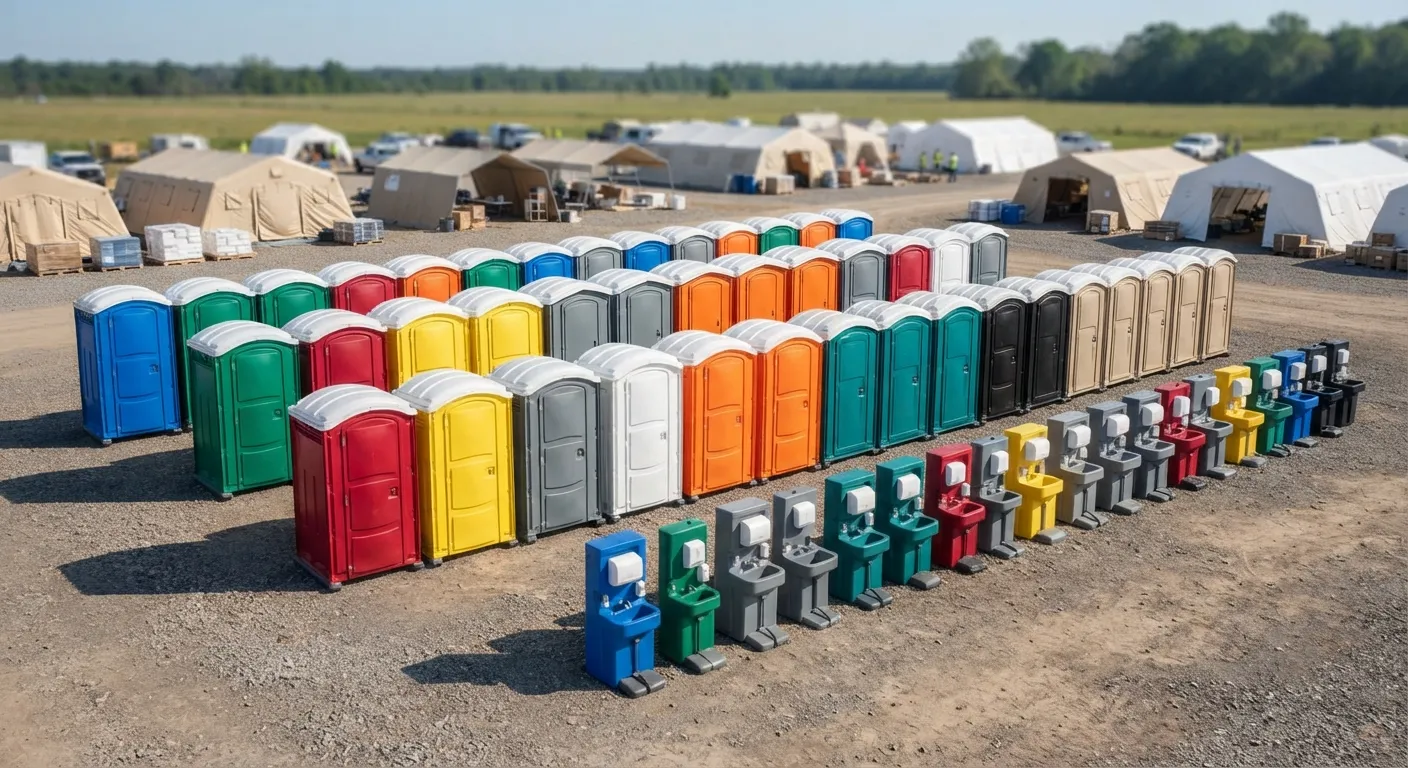
Emergency response works differently than a planned rental. There's no three-day lead time, no waiting on a site walk. Richmond Porta Pros keeps emergency porta potty rental trucks staged for exactly this kind of call, and most disaster deployments move within hours, not days. Daily rates for standard porta potty rental units run $100 to $350 depending on volume and access, and a delivery fee applies on top, typically $100 to $500 for a day dispatch. If your event is a shelter opening in a school gym or a command post at a fairground, tell us the headcount and we size it from there using the same logic as how many porta potties do i need covers for planned jobs. Richmond sits close enough to draw resources fast: San Pablo is 1.9 miles northeast, Pinole is 4.6 miles, and Hercules is 7.8 miles, so a disaster stretching across those jurisdictions can pull from the same fleet without a long haul. For agencies coordinating relief across multiple sites, check service areas to see what's realistic in a single day. Water matters too. OSHA 1926.51(a)(1) requires an adequate supply of potable water at any place of employment, and that includes relief workers and volunteers, not just residents. We pair toilets with handwashing station rental or a portable sink rental so crews aren't relying on bottled water and hope.
What sanitation does a disaster shelter or relief site actually need?
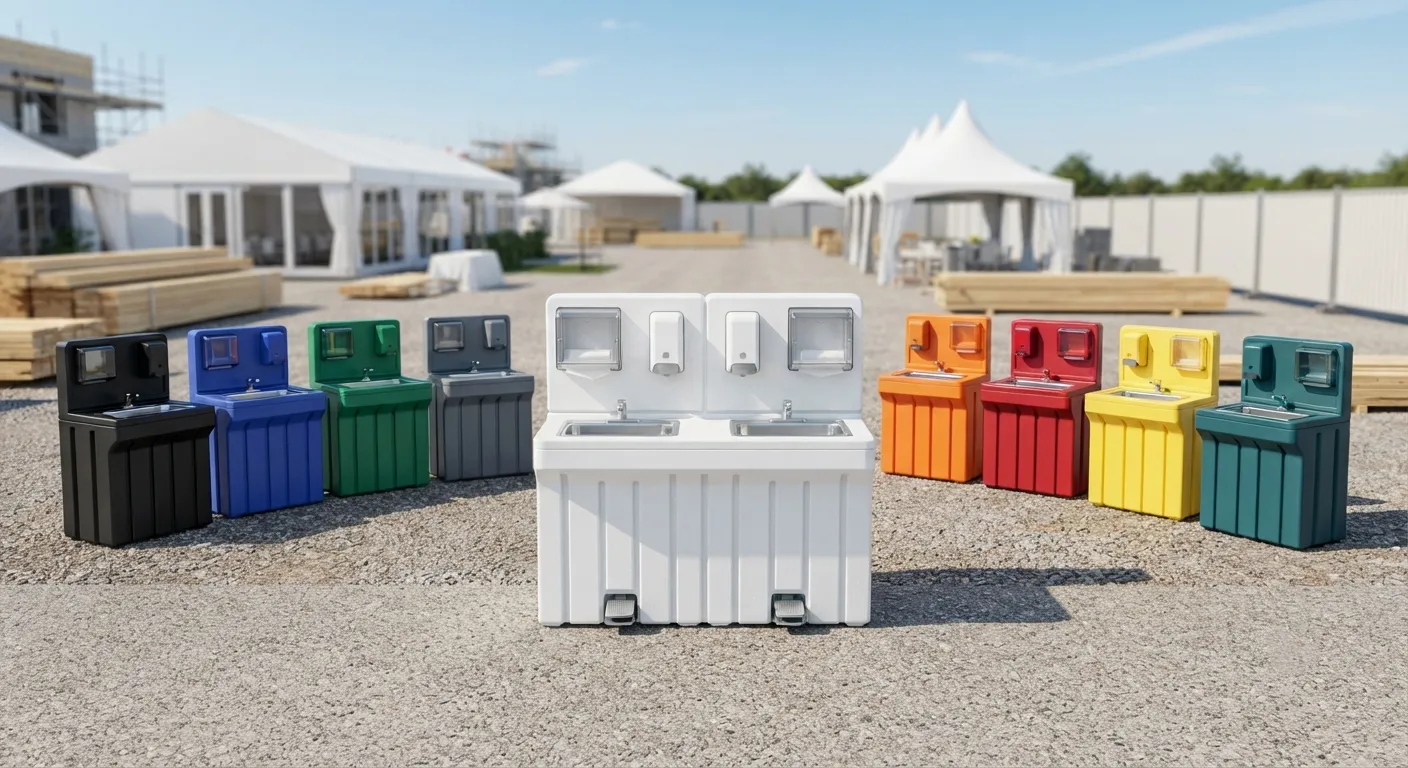
A shelter is not a construction site, but the counting logic still applies. OSHA 1926.51(c) sets one toilet for 20 workers or fewer on a job, scaling up from there, and that ratio is a reasonable starting point for a relief encampment or staging yard even though it was written for crews, not evacuees. For a shelter serving the public, plan more generously than the OSHA minimum, because lines and shared bathrooms in a crisis add stress fast. At least one unit in any cluster should be accessible under ADA Standards 213.2, which requires 5 percent of clustered single-user units, and never fewer than one, to meet accessibility specs. Our ada accessible porta potty units meet those clearance and turning-space requirements so mobility-impaired residents aren't left out during the worst week of their year. If the relief effort runs long, a restroom trailer rental gives shelter staff and volunteers something closer to a real bathroom, with running water and better lighting than a standard unit. For a mid-size operation, a 4 stall restroom trailer covers a lot of ground; for a large tent city or multi-week deployment, an 8 stall restroom trailer or a full portable restroom rental package scales further. Handwashing stations need soap and towels, not just sanitizer. 29 CFR 1910.141(d)(2) is specific on that point: hand sanitizer alone does not satisfy the requirement, so every station we send out for relief work carries actual soap and drying supplies, not a squeeze bottle bolted to a post.

Do you handle debris and cleanup alongside the sanitation?
Yes. Disasters generate debris fast, and a roll-off dumpster rental usually shows up on the same call as the toilets. A 20 yard dumpster rental handles storm debris and damaged household contents for most residential cleanups, while a 30 yard dumpster rental or 40 yard dumpster rental suits a commercial site or a multi-home block. Weekly dumpster rates run $426 to $778 depending on size and haul distance, and daily rates for shorter jobs sit at $51 to $112. Know before you fill it: our what cannot go in a dumpster guide covers hazardous material limits, which matter more than usual after a fire or flood when paint cans, chemicals, and soaked insulation all show up in the same pile. Housekeeping rules under OSHA 1926.25 call for clearing scrap and debris from active work areas, a standard worth following even in an emergency response zone where footing already isn't great. If the relief site needs to secure a perimeter, whether that's keeping displaced residents' belongings safe or controlling foot traffic near a damaged structure, a temporary fence rental or crowd control barrier rental goes up fast. Storage matters during recovery too. A storage container rental or 20ft storage container gives displaced families or a command post somewhere secure to keep supplies and salvaged items while Richmond works through the longer rebuild.
How much does emergency sanitation cost during a disaster?
Costs track the same bands as planned rentals, plus a rush delivery fee. Standard units run $100 to $350 a day; expect delivery charges of $100 to $500 depending on how fast we're moving. Multi-day deployments often shift to weekly pricing, $130 to $500, which usually costs less per day than repeated daily calls.
Can you deploy across multiple relief sites at once?
Yes, if we know the count and locations early. Richmond Porta Pros can spread units across shelters, staging areas, and cleanup zones in the same dispatch. Distances to San Pablo, Pinole, and El Cerrito are all short enough that a coordinated multi-site relief effort doesn't strain the schedule.
Do you provide handwashing stations without full restrooms?
Yes. Some sites already have toilets but need more handwashing capacity. A standalone hand sanitizer station rental or a soap-and-water station meeting 29 CFR 1910.141(d)(2) can go out on its own, sized to the number of people expected at the site.
What if the disaster damaged an existing septic system?
We handle that too. Flooding and ground shifts can crack tanks or back up lines fast. Our septic pumping service and emergency septic service crews can pump and assess a damaged system, and a holding tank rental bridges the gap until repairs finish.
How long can relief sanitation stay in place?
As long as needed. Some deployments run days, others run through a full rebuild. We bill on daily, weekly, or monthly terms, whichever fits, and monthly standard unit rates land between $125 and $325 for extended relief operations.
Next step
Get a delivery date
Tell us the address, the dates and the headcount. We size the order and confirm the route.