
How Often Does a Septic Tank Need Pumping?
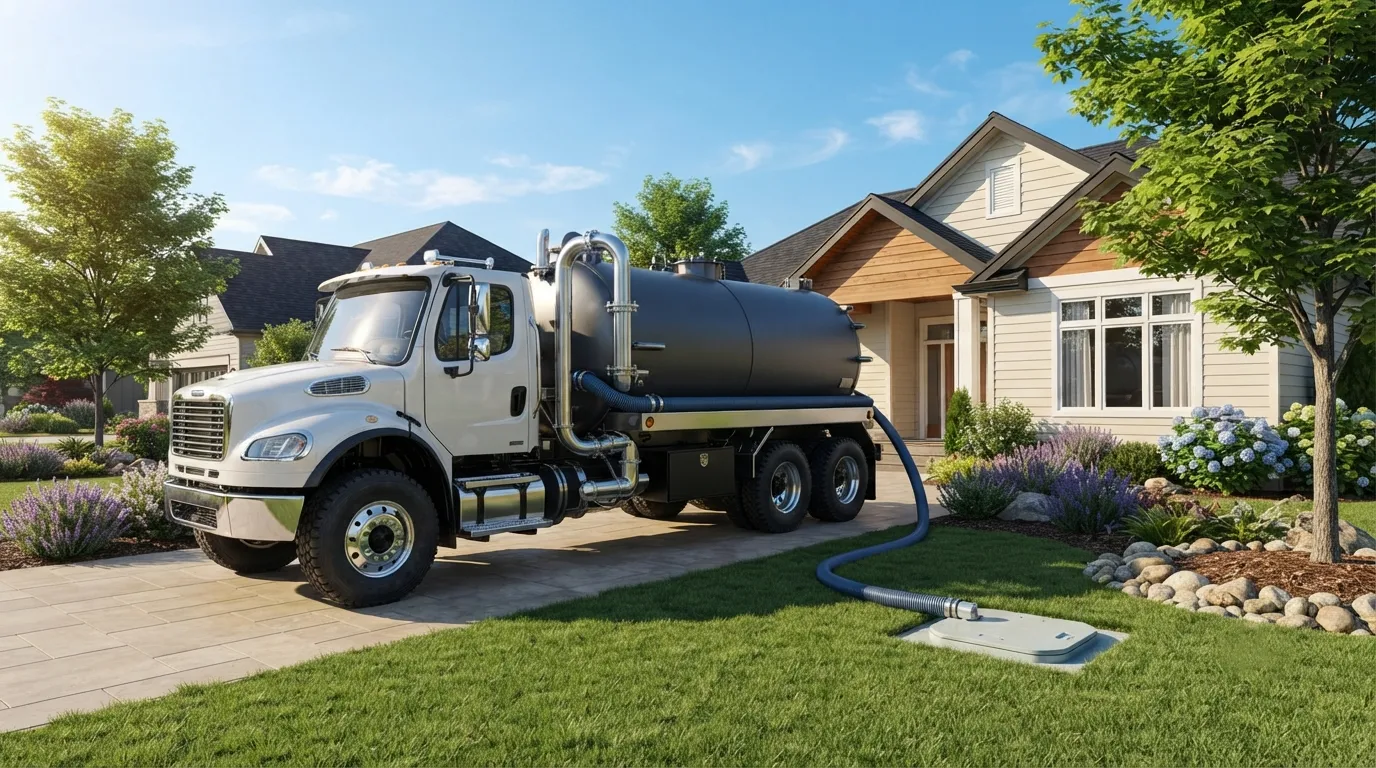
Every 3 to 5 years is the standard window for a typical residential tank, and household size drives that number as much as tank size does. A family of six fills a tank faster than a couple living alone, so the interval shrinks, and the same logic applies to a busy holding tank rental on a job site. If you have never had the tank pumped and do not know its age, that is reason enough to call now rather than guess. Richmond Porta Pros checks the tank when we arrive and gives you a realistic next-service estimate based on what we find, not a generic sticker on the lid. Homeowners weighing septic tank pumping cost against a new system install almost always come out ahead sticking to the schedule. If your property runs a grease interceptor instead of or alongside a septic tank, that is a different clock: interceptors get pumped once fats, oils, grease and solids reach 25 percent of the liquid depth, which can happen in weeks at a busy kitchen. See grease trap pumping for that side of the business. For the general pumping question, our page on how often to pump a septic tank walks through the math in more detail.
What Decides How Often You Need Service?
Tank size and household size are the two biggest levers, but they are not the only ones. A larger tank buys you more time between pumpings even with the same number of people using it. Garbage disposals push more solids into the tank and shorten the interval, similar to how a crowded construction site services setup wears through sanitation faster than a quiet one. Laundry habits matter too: spreading wash loads out over the week is easier on a tank than running five loads back to back. None of this is exact science from the curb, which is why Richmond Porta Pros measures the actual sludge layer during service instead of pumping on a fixed calendar regardless of what is inside, the same hands-on approach we use when we size a portable toilet rental order for a site. Renovation projects add another variable. A home renovation porta potty on site keeps crew traffic off an aging septic system while work is underway, and that alone can stretch out the next pump date for homeowners mid-remodel in Richmond.

What Are the Warning Signs of a Full Septic Tank?
Slow drains in multiple fixtures at once, gurgling sounds from pipes, standing water or unusually green patches over the drain field, and sewage odor near the tank are the classic signs. Any one of these on its own might be a clog, much like a single slow-draining porta john rental unit on a job site does not always mean a bigger problem. All of them together, or a smell that will not go away, usually means the tank is full or the drain field is struggling. Waiting past that point risks backup into the house, which costs a lot more to clean up than a pumping visit does. We cover the full list in septic tank warning signs, and if you are already seeing two or more of these, treat it as urgent rather than routine. Richmond Porta Pros offers emergency septic service for exactly this situation, and we prioritize calls where a backup is already happening over ones that are just due for a scheduled visit.
What Does a Septic Pumping Visit Include?
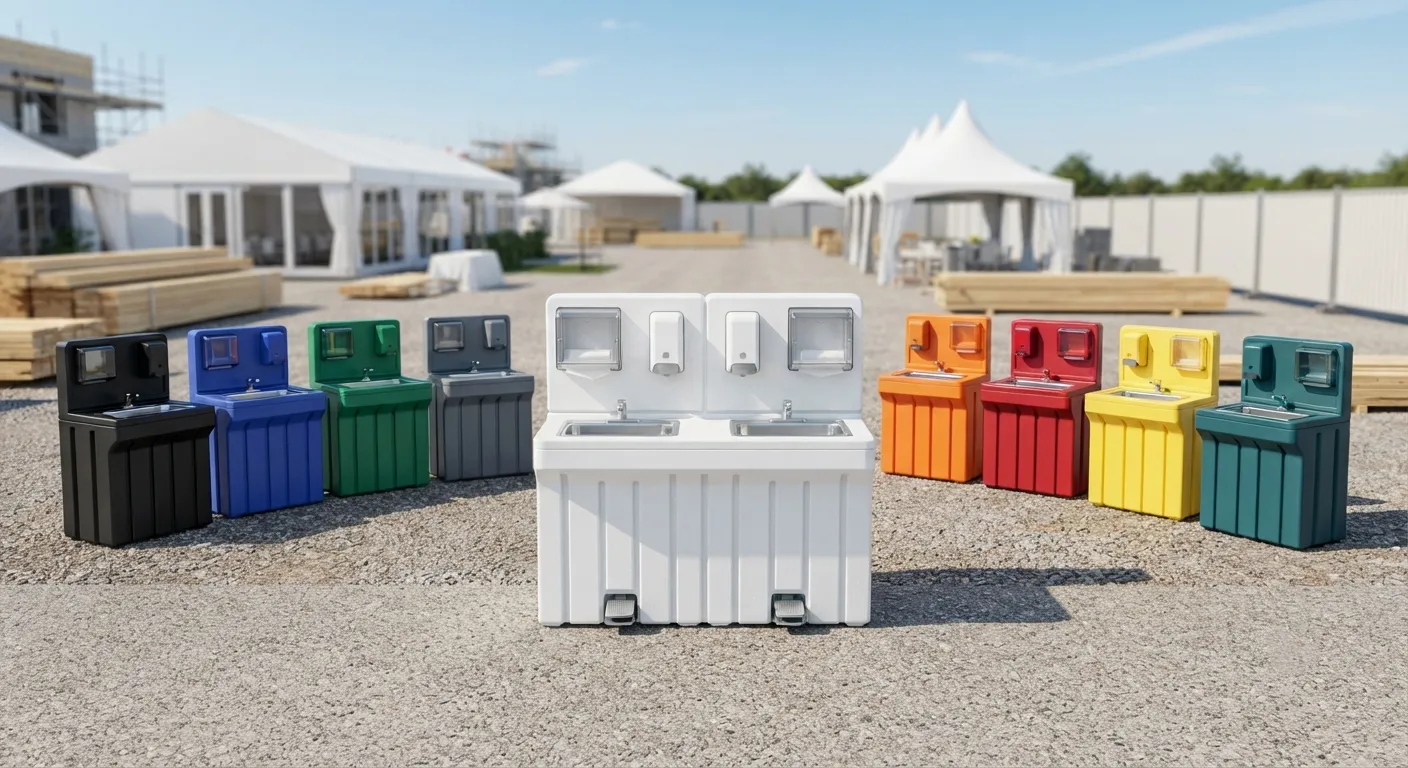
A standard visit locates the tank, opens the access point, pumps the contents, and does a visual check of the baffles and tank walls while the tank is empty. We note sludge depth, look for cracks or root intrusion, and tell you plainly whether the drain field looked healthy from what we could see, the same straight talk you get when we walk a site for a porta potty placement guide visit. This is also when we flag if a tank is undersized for the household it serves, similar to how we flag when a property needs more than a single porta potty rental in Richmond unit. We do not just pump and leave; a five-minute conversation about what we found is part of the service. For properties that also run septic tank cleaning as a deeper maintenance step, we can bundle that in on the same visit. Commercial kitchens in Richmond that need both a septic pump-out and a grease trap service on the same day can schedule both through us in one trip, which saves a second truck roll and a second delivery fee.
How Much Does Septic Tank Pumping Cost?
Septic pumping in Richmond runs in the range below depending on tank access, tank size, and whether it is a standard weekday visit or a weekend call.
| service | duration | low | typical | high |
|---|---|---|---|---|
| septic pumping | day | $150 | $250 | $300 |
| septic pumping | weekend | $50 | $100 | $150 |
A straightforward day-rate pump-out on an accessible 1,000 gallon tank sits toward the typical end of that range; tanks buried deep, poured-concrete lids that need extra labor to open, or long driveways add to it, the same way a monthly porta potty rental costs more for a hard-to-reach site. The weekend figure above reflects a shorter add-on visit rather than a full standalone service call. For the fuller cost breakdown, including what changes the price up or down, see septic tank pumping cost. If you are comparing septic against portable options for a temporary need instead, porta potty rental cost and porta potty rental per day cover that side of pricing.
Do You Offer Holding Tanks and Emergency Response?
Yes. A holding tank is the right call when a property has no working septic system at all, whether that is new construction, a system under repair, or a temporary event site. We deliver, service on a schedule that matches actual use, and pump out on request rather than leaving you to guess when it is full, the same delivery process we use for a roll-off dumpster rental or a storage container rental. Full details are on holding tank rental. For genuine emergencies, meaning active backup or a tank that has failed outright, emergency septic service gets a truck moving the same day where possible. Richmond sits close enough to San Pablo, 1.9 miles northeast, and Pinole, 4.6 miles northeast, that emergency crews covering Richmond can reach either town quickly if a job spans multiple properties. We also serve El Cerrito, 5.5 miles southeast, and Hercules, 7.8 miles northeast, from the same dispatch, and both towns can get a porta potty rental in El Cerrito, CA or a porta potty rental in Hercules, CA on the same trip. If your emergency is really about restroom access while the septic system is down, an emergency porta potty rental can bridge the gap until the tank is pumped and repaired.
Construction crews in Richmond often need septic and portable sanitation running side by side, especially on sites without permanent plumbing yet. OSHA 1926.51(c) sets toilet counts for construction sites: one toilet for 20 workers or fewer, scaling up from there as crew size grows. That standard applies regardless of whether the site uses a septic-fed restroom or a rented unit, so it is worth checking against your headcount either way; our guide on OSHA portable toilet requirements breaks the full table down. For sites still deciding between a septic-connected restroom trailer and standard portable units, restroom trailer rental, standard porta potty rental, and even an ADA accessible porta potty for compliance all link out from our main portable toilet rental and portable restroom rental pages. Larger commercial and agricultural properties around Richmond sometimes run both a septic system and field sanitation units together; OSHA 1928.110 sets the field sanitation baseline for hand-labor agricultural sites at one facility per 20 employees within a quarter mile walk, which is worth knowing if your property has both a farmhouse septic system and field crews. See farm and agricultural restrooms for that setup.
Whatever brought you here, a slow drain, a bad smell, or just a tank you have not thought about in years, Richmond Porta Pros handles the pumping, the follow-up questions, and the scheduling so you are not stuck guessing, the same way we handle a temporary fence rental or a handwashing station rental for a busy site. Browse septic pumping service or start with a request a quote if you already know what you need. For general questions about how any of this works, our FAQ and about pages cover the rest, and contact gets you a real person on the phone.
How much does a 1,000 gallon septic tank cost to pump?
A 1,000 gallon tank is the most common residential size, and pumping it falls within the standard day-rate range above, typically toward the middle unless access is difficult. Deep burial, hard-to-reach lids, or long hose runs from the truck push cost toward the higher end.
How do I know if my septic tank is full?
Slow drains, gurgling pipes, sewage odor near the tank, and soggy or unusually green ground over the drain field are the main signs. Two or more together mean it is time to call, not wait for the next scheduled year.
Can I pump my septic tank myself?
No. Septic waste requires licensed handling and disposal, and opening a tank without the right equipment risks injury and contamination. Richmond Porta Pros handles the pumping and disposal so you are not exposed to either risk.
What is the difference between septic pumping and septic cleaning?
Pumping removes the liquid and settled solids from the tank. Cleaning goes further, breaking up and removing scum and sludge buildup on the tank walls and baffles. See septic tank cleaning for what that deeper service covers.
Do you service grease traps too?
Yes. Grease interceptors get pumped once fats, oils, grease and solids reach 25 percent of the liquid depth, which happens much faster than a residential septic tank fills. See grease trap pumping for restaurant and commercial kitchen scheduling.
What if I need a holding tank instead of septic pumping?
If there is no working septic system, a rented holding tank covers the gap until repairs or new construction are finished. We deliver, service on your actual usage, and pump on request. Details are on holding tank rental.
Next step
Get a delivery date
Tell us the address, the dates and the headcount. We size the order and confirm the route.